

Best Towels for Festivals: The Ultimate Guide for 2026
Looking for the best towels for festivals this summer? You need something that dries fast, packs small, and won't turn into a soggy brick after one night in a tent. After years of dragging heavy cotton towels through muddy campsites — from Glastonbury's Worthy Farm to the fields of Creamfields — we can tell you the answer is dead simple: microfibre is the only way to go. But not all microfibre towels are created equal, and picking the right one can make or break your festival hygiene game.
Festival season 2026 is shaping up to be massive. With lineups dropping across Reading & Leeds, Parklife, Boomtown Fair, and beyond, the last thing you want is to stress about wet towels and overstuffed rucksacks. This guide breaks down everything you need to know about choosing a festival towel that actually works — and still looks decent hanging off your tent.
Why Your Towel Choice Actually Matters at a Festival
Let's be honest: nobody thinks about towels when they're planning their festival kit. You're too busy sorting out your outfit, your sleeping bag, and making sure you've got enough dry shampoo to last five days. But your towel is one of those small decisions that has a massive knock-on effect on your entire weekend.
A bad towel at a festival means:
- Damp clothes and sleeping bags — a wet cotton towel stuffed into your bag will make everything around it damp. In a tent with limited airflow, that moisture has nowhere to go.
- Extra weight — a standard bath towel weighs around 500-700g. That might not sound like much until you're hauling your kit from the car park to a campsite half a mile away.
- Smell — cotton holds moisture for hours. In warm festival conditions, bacteria thrive. By day three, that towel is a biohazard.
- Wasted space — a rolled-up cotton bath towel takes up roughly the same space as a two-person tent bag. Space in a festival rucksack is precious.
A good towel, on the other hand, dries in a fraction of the time, weighs next to nothing, and rolls down to the size of a can of beans. It sounds like a small upgrade, but it genuinely changes the experience.
Microfibre vs Cotton: The Festival Towel Showdown
This is the big comparison, so let's lay it out properly. If you're still bringing a cotton towel to festivals, here's what you're signing up for versus what microfibre offers:
| Feature | Cotton Towel | Microfibre Towel |
|---|---|---|
| Dry time | 4-8 hours | 30-60 minutes |
| Weight (bath size) | 500-700g | 100-200g |
| Packed size | Large (think rolled sleeping bag) | Compact (fits in a side pocket) |
| Absorbency | Good, but holds water | Absorbs up to 4x its weight, wrings out easily |
| Sand/mud resistance | Clings to everything | Sand and dirt shake right off |
| Odour resistance | Poor — bacteria love damp cotton | Much better — dries too fast for bacteria to thrive |
| Durability | Degrades with heavy use | Lasts hundreds of washes |
| Price range | £5-£15 | £10-£35 |
| Style options | Plain or basic patterns | Bold prints and designs available |
The difference is night and day. Microfibre towels use split synthetic fibres — typically polyester and polyamide — that create a massive surface area at a microscopic level. That's why they absorb so well and dry so quickly. For festival conditions, where you might be showering in a communal block and need to get dry before the next act starts, that speed is everything.
The one thing cotton fans will argue is that it feels nicer against the skin. And fair enough — there's a cosiness to a thick cotton towel. But after spending a weekend at Boomtown Fair where it rained solidly for two days, you'll trade that softness for something that's actually dry when you need it.
What to Look for in a Festival Towel
Not every microfibre towel on the market is suited to festival life. Here's what separates a genuinely good festival towel from a cheap one that'll let you down:
Quick-Dry Technology
This is non-negotiable. The best festival towels should go from soaking wet to bone dry within an hour, even in the shade. Look for towels that specifically mention quick-dry properties rather than just being labelled "microfibre." The weave pattern and fibre density both affect drying time, and cheaper options can still take several hours.
Lightweight and Compact
You want something under 200g that packs down small enough to fit in a side pocket or clip onto the outside of your bag. Some of the best options on the market weigh as little as 120g for a full-size towel — that's lighter than your phone.
Sand-Free Surface
This matters more than you'd think. Even if you're not at a beach festival, UK festival grounds are full of dust, dirt, and dried mud. A towel with a sand-free surface means you can give it a quick shake and it's clean, rather than carrying half the campsite with you.
Bold Design
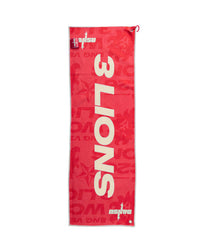
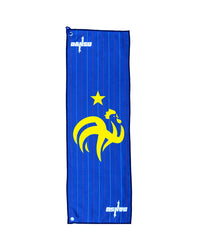
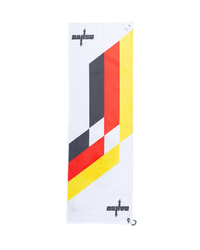
Let's be real — you're at a festival. A plain grey towel hanging off your tent is depressing. A towel with a bold, eye-catching design? That's part of the look. Some brands are making towels specifically for the music and rave scene, with designs that actually match the energy of the weekend.
Sustainable Materials
Festival culture and environmental awareness go hand in hand. The Glastonbury Festival has been pushing sustainability for years, banning single-use plastics and encouraging reusable everything. Look for towels made from recycled materials — some brands now use recycled plastic bottles to create their microfibre, which means your towel is literally keeping waste out of landfill.
Size Options
For festivals, a large towel (around 160cm x 80cm) is ideal. It's big enough to wrap around you after a shower, use as a picnic blanket, or even as an emergency ground sheet if the mud gets biblical. Some people also bring a smaller hand-towel size for quick face washes at the tent.
Festival-Specific Uses You Haven't Thought Of
A good towel at a festival isn't just for drying off after a shower. Here's how seasoned festival-goers get maximum use out of theirs:
- Picnic blanket — sand-free microfibre towels make a surprisingly good ground cover for sitting on during daytime sets. They don't soak up moisture from the ground the way cotton does.
- Shade cover — drape it over your tent entrance to block early morning sun. After a late night at the dance tent, that extra hour of darkness is priceless.
- Pillow wrap — roll your clothes inside your towel for a makeshift pillow that's softer than balling up a hoodie.
- Changing cover — at communal showers with dodgy curtains (every festival, basically), a large towel that wraps and stays put is essential.
- Emergency rain cover — microfibre repels water initially before absorbing, so in a sudden downpour, you can drape it over your bag to keep electronics dry for a few crucial minutes.
- Flag — if your towel has a bold enough design, stick it on a pole and use it to mark your spot in the crowd. Your mates will find you in seconds.
How to Pack Your Festival Towel Kit
Packing smart is half the battle. Here's the ideal towel setup for a three-to-five-day UK festival:
The essentials:
- 1x large quick-dry microfibre towel (your main shower towel)
- 1x small hand towel or face cloth (for quick washes at the tent)
Pro tips:
- Roll, don't fold. Rolling your towel tight saves space and prevents creasing.
- Keep it in a separate dry bag or waterproof pouch within your rucksack. Even though microfibre dries fast, you don't want it picking up moisture from other damp items.
- Hang it on the outside of your tent during the day. Even on overcast days, the airflow will keep it fresh.
- If it rains and everything gets wet, wring your microfibre towel out thoroughly and hang it inside the tent. It'll be dry by morning. Try that with cotton.
The 2026 UK Festival Calendar: Where You'll Need a Decent Towel
The UK festival season kicks off properly in May and runs through to September. Here are some of the big ones where your towel game needs to be on point:
- NASS Festival (July, Bath) — skateboarding, BMX, and bass music. Dusty when dry, muddy when wet.
- Glastonbury (June, Somerset) — the big one. Five days, unpredictable weather, legendary mud.
- Parklife (June, Manchester) — two-day urban festival, but you'll still want to freshen up.
- Reading & Leeds (August) — the classic. Camping conditions range from fine to apocalyptic.
- Creamfields (August, Cheshire) — four days of electronic music. The dance tent sweat alone justifies a quick-dry towel.
- Boomtown Fair (August, Hampshire) — immersive, intense, and five days long. Non-negotiable towel territory.
- Boardmasters (August, Cornwall) — surf and music. Sand plus sea plus camping means your towel is working overtime.
As NME's festival guide confirms each year, UK weather is the one variable you can never predict. Packing gear that handles both scorching heat and horizontal rain isn't optional — it's survival.
How to Care for Your Festival Towel (So It Lasts for Years)
A decent microfibre towel will last for hundreds of washes if you treat it right. Here's how to keep yours in top condition:
- Rinse after each festival — even if it looks clean, give it a rinse in cool water to remove dust, sunscreen, and sweat residue.
- Machine wash on a cool cycle (30°C) — microfibre doesn't need hot water. In fact, high heat can damage the fibres over time.
- Skip the fabric softener — this is the big one. Fabric softener coats the microfibres and reduces their absorbency. Use a small amount of mild detergent only.
- Air dry when possible — microfibre dries so fast that a tumble dryer is rarely needed. If you do use one, keep it on a low heat setting.
- Don't iron it — the synthetic fibres can melt. Not that anyone's ironing their festival towel, but just in case.
- Store it dry — never pack a damp microfibre towel away for storage. It won't develop mould as fast as cotton, but it's still not ideal.
Follow those steps and your towel will look and perform as well in year three as it did on day one.
Why Dansu Towels Were Made for This
We started Dansu because we were tired of the same boring towel options. We wanted something that matched the energy of the music scene — bold, rave-inspired designs on a towel that actually performs. Every Dansu towel is made from quick-dry microfibre using recycled materials, weighs just 120g, and packs down small enough to fit in your back pocket.
They're sand-free, ultra-absorbent, and designed to look as good draped over a festival tent as they do on a beach in Ibiza. Whether you're heading to Glastonbury, Creamfields, or just your local gym, a Dansu towel means you're carrying less, drying faster, and looking better doing it.
Because honestly, life's too short for damp, heavy, boring towels.
Stay Fresh, Look Sharp — Dansu Towels for Music & Movement
Upgrade your festival, gym, and travel game with Dansu quick-dry microfiber towels — bold designs, eco-friendly materials, built to perform.
Get Yours NowFrequently Asked Questions
What type of towel is best for festivals?
Quick-dry microfibre towels are the best choice for festivals. They dry in under an hour (compared to 4-8 hours for cotton), weigh as little as 120g, and pack down to a fraction of the size of a traditional towel. They also resist odour buildup, which is critical when you're camping for multiple days without regular laundry access. Look for one with sand-free properties so dirt and dust shake off easily between uses.
How many towels should I bring to a festival?
For a typical three-to-five-day festival, bring two microfibre towels: one large (around 160cm x 80cm) for showers and general use, and one small hand-towel size for quick face washes and spot clean-ups at the tent. Because microfibre dries so quickly, two towels are more than enough even for a five-day event — you won't need to pack spares the way you would with cotton.
Can I use a microfibre towel as a picnic blanket at a festival?
Absolutely. Microfibre towels with a sand-free surface work brilliantly as ground covers during daytime sets. Unlike cotton, they won't soak up moisture from damp grass, and any dirt or dust shakes off with a quick flick. A large microfibre towel laid out in front of a stage is one of the most versatile bits of kit you can bring. Just make sure you've got a full-size one rather than a travel size.
How do I stop my festival towel from smelling after several days?
The key is drying time. Bacteria that cause odour thrive in damp conditions, which is why cotton towels start to smell after a day or two at a festival. Quick-dry microfibre towels eliminate most of this problem because they dry so rapidly that bacteria don't get a chance to multiply. To keep things fresh, wring your towel out thoroughly after each use, hang it in the open air during the day, and give it a quick rinse in clean water every couple of days if facilities allow.